

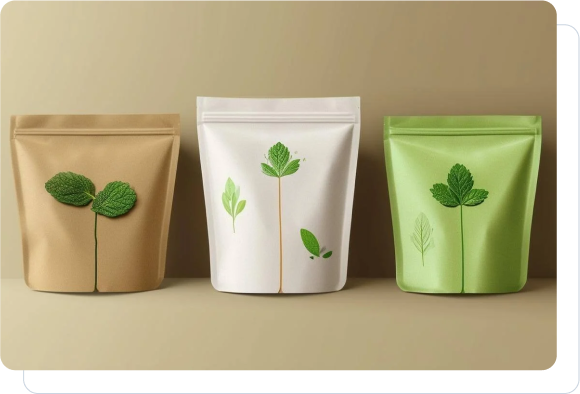
People today actively seek packaging materials that protect the environment because awareness about sustainability increases year by year. The packaging sector will experience an extensive evolution by 2025 because businesses together with consumers are adopting environmentally sustainable solutions. This piece examines the leading seven sustainable packaging options set for 2025 implementation alongside their advantages and their impacts on packaging evolution. All individuals with business interests and environmentally conscious consumers should refer to this guide to anticipate upcoming developments.
Why Eco-Friendly Packaging Matters in 2025
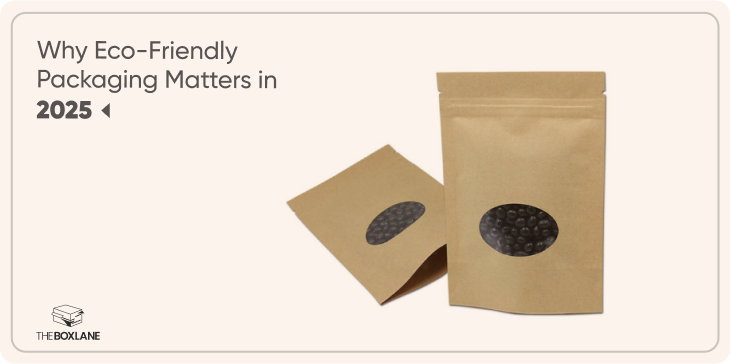
Traditional packaging methods create huge environmental damage to ecosystems. Annual plastic waste production reaches 300 million tons yet substantial quantities of this waste settle in both ocean bodies and landfills. People who care about the environment are increasingly looking for sustainable packaging materials so the demand keeps rising.
Organizations will encounter more demanding environmental regulations while customers will expect low-impact packaging materials for business operations during 2025. The transition to carbon-neutral packaging materials becomes an essential requirement since it represents the only pathway to reach environmental sustainability.
7 Eco-Friendly Packaging Materials for 2025
These seven eco-friendly packaging materials are predicted to control the market throughout 2025:
1. Mushroom Packaging
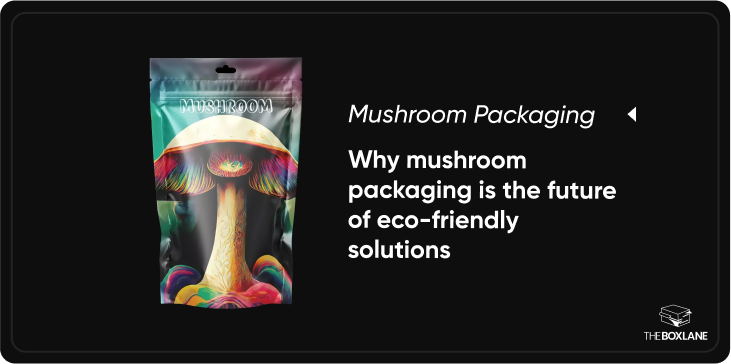
Why mushroom packaging is the future of eco-friendly solutions
Mushroom packaging made from the mushroom root system mycelium functions as a revolutionary solution for sustainable packaging. Mushroom packaging provides complete biodegradability while offering full compostability together with exceptional protection for sensitive products like electronics and furniture.
- Benefits:
- Fully biodegradable in just a few weeks.
- Lightweight and durable.
- Ideal for replacing polystyrene foam.
- Applications: Electronics, furniture, and luxury goods packaging.
2. Algae-Based Packaging
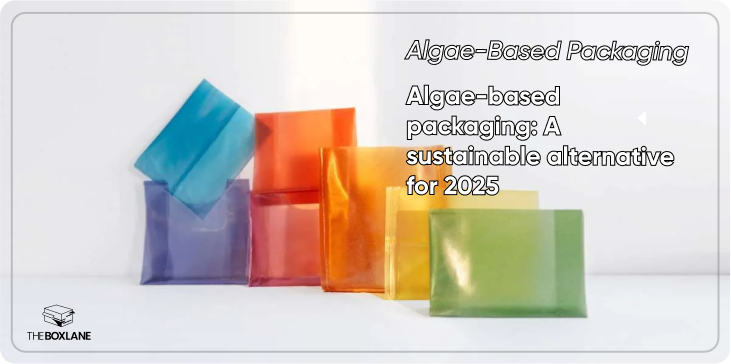
Algae-based packaging: A sustainable alternative for 2025
The market shows growing interest in algae-based packaging because it offers a renewable material solution for packaging needs. This material dissolves in water which enables its use for short-lived items including wrappers and capsules.
- Benefits:
- Reduces reliance on fossil fuels.
- Safe for marine life if it enters waterways.
- Compostable and biodegradable.
- Applications: Food packaging, capsules, and single-use items.
3. Plant-Based Plastics (PLA and PBAT)
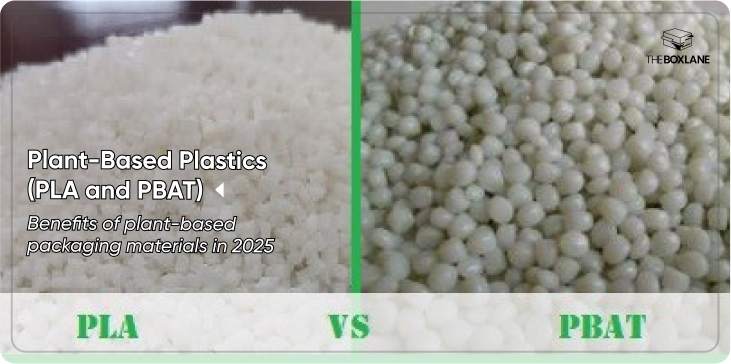
Benefits of plant-based packaging materials in 2025
PLA (Polylactic Acid) and PBAT (Polybutylene Adipate Terephthalate) emerge as leading biodegradable packaging materials since they derive from corn starch and sugarcane together with other plant sources.
- Benefits:
- Compostable under industrial conditions.
- Reduces greenhouse gas emissions.
- Ideal for food packaging and disposable cutlery.
- Applications: Food containers, cutlery, and beverage cups.
4. Recycled Cardboard and Paper
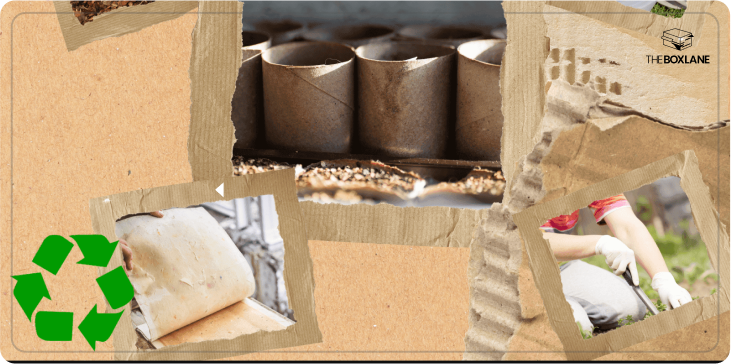
Innovative recyclable packaging materials for 2025
After recycling paper and cardboard manufacturers continue to use the materials for environmentally friendly packaging solutions. Modern advancements in recycling methods enabled materials to become stronger while gaining expanded uses.
- Benefits:
- Widely recyclable and biodegradable.
- Cost-effective and lightweight.
- Perfect for e-commerce and retail.
- Applications: Shipping boxes, product packaging, and gift wraps.
5. Compostable Food Packaging
How to choose compostable packaging for small businesses
The design of compostable food packaging allows it to disintegrate into natural components which makes it the best zero-waste packaging solution. The packaging solution meets the needs of companies that want to lower their carbon footprint.
- Benefits:
- Breaks down in home or industrial compost systems.
- Reduces landfill waste.
- Safe for food contact.
- Applications: Food containers, wrappers, and disposable plates.
6. Reusable Packaging Solutions
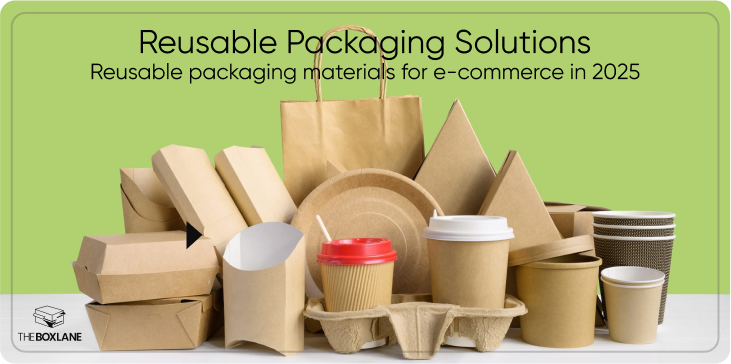
Reusable packaging materials for e-commerce in 2025
The circular economy functions on the fundamental principle which reusable packaging represents. The reusable container system operated by Loop enables businesses to deliver food snacks and cleaning products in recyclable packaging.
- Benefits:
- Reduces single-use packaging waste.
- Cost-effective in the long run.
- Enhances brand loyalty.
- Applications: E-commerce, subscription boxes, and retail.
7. Biodegradable Air Pillows and Bubble Wrap
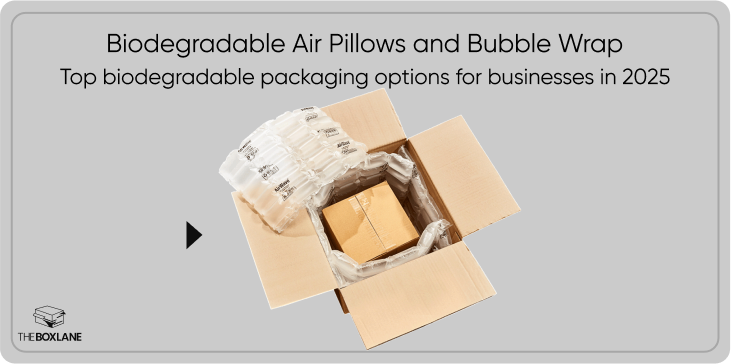
Top biodegradable packaging options for businesses in 2025
Traditional plastic fillers receive substitution from biodegradable air pillows along with bubble wrap. The alternative materials deliver equivalent protection benefits while avoiding damage to the environment.
- Benefits:
- Compostable and biodegradable.
- Lightweight and cost-effective.
- Ideal for shipping fragile items.
- Applications: E-commerce, logistics, and shipping.
Trends Shaping Eco-Friendly Packaging in 2025
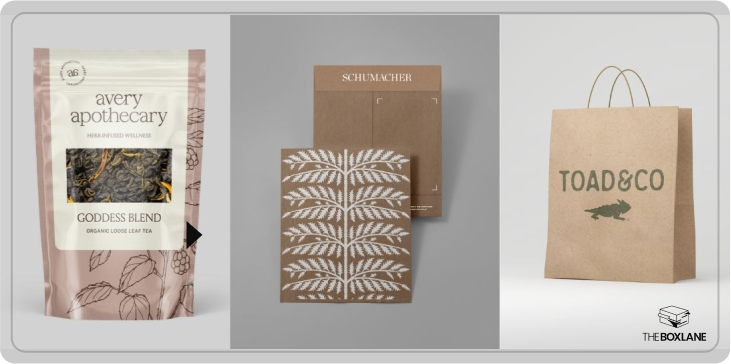
Multiple factors are defining the path of sustainable packaging toward future development:
- Minimalist Design: Helps organizations cut down on excessive packaging materials in order to conserve valuable resources.
- Intelligent Packaging: Incorporating technology to track freshness and reduce waste.
- Consumer Education: Works as a tool to teach people effective recycling and composting techniques.
- Circular Economy: Emphasizing reuse and recycling over single-use materials.
How Businesses and Consumers Can Adopt Eco-Friendly Packaging?
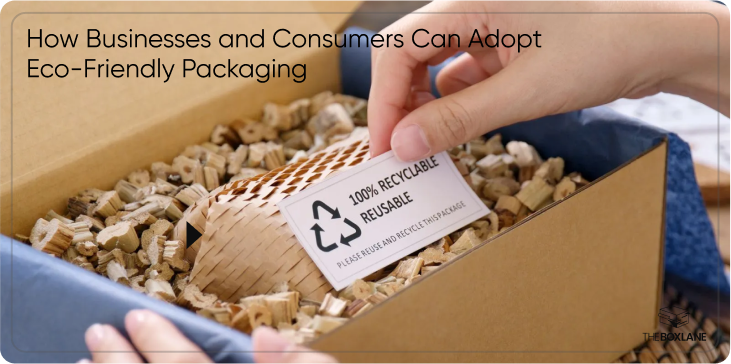
For Businesses:
- Your first step should involve a review of your existing packaging to detect ways you can improve it.
- Select suppliers that provide renewable packaging products for your business.
- Teach your customers proper procedures for recycling or composting your packaging.
For Consumers:
- Consumers should buy merchandise that uses minimalistic eco-friendly packaging materials.
- Recycle your packaging materials through either composting or recycling.
- Support companies which make green packaging trends their priority.
Cost Comparison: Eco-Friendly vs. Traditional Packaging
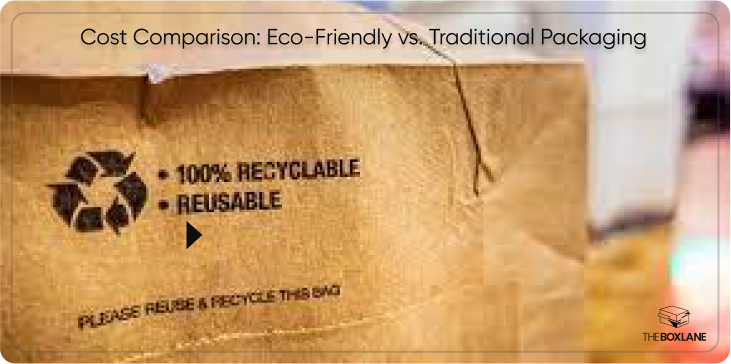
Eco-friendly packaging materials entail initial higher expenses at first but generate substantial savings after a period of time.
- Traditional Packaging:
- Low initial cost but high environmental impact.
- Limited recyclability and high landfill contribution.
- Eco-Friendly Packaging:
- Higher initial cost but reduces waste and carbon footprint.
- Enhances brand reputation and customer loyalty.
The price difference between sustainable and traditional packaging will become minimal by 2025 so eco-conscious packaging solutions will become more accessible to the market.
Conclusion
The world has passed beyond trendy sustainable packaging toward making it an essential requirement for operating businesses today. The imminent future of packaging will deliver sustainable environmentally friendly solutions which are innovative and attractive to consumers.
Businesses along with consumers must adopt these environmentally friendly packaging materials when we enter 2025 for safeguarding our planet. We can ensure a green sustainable future for future generations by implementing carbon-neutral packaging materials within the framework of circular economy systems.
Ready to make the switch to eco-friendly packaging? The initial step should be exploring the materials and trends presented in this blog. Our collective efforts will establish sustainability through package delivery.