

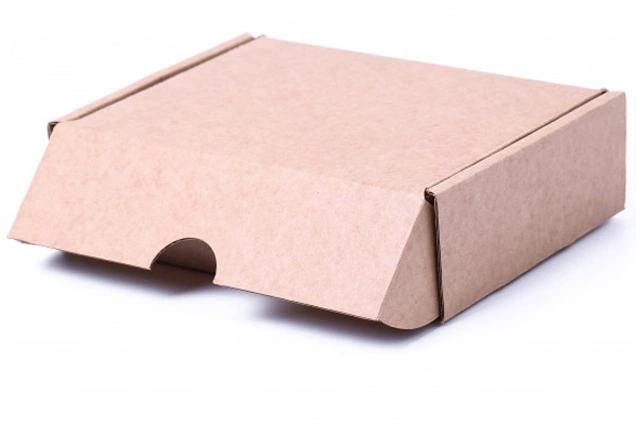
Packaging is important in product marketing. It creates a first impression, captures attention, and enhances the perceived value of products. Good packaging directly affects sales and helps the brand earn more revenue. But there is also a downside. Customized, premium packaging costs significantly more than standard packaging boxes or bags. Bigger brands and stable businesses can easily cover these costs; startups usually face trouble here. New in the market and limited in sales, they struggle to balance the product and packaging costs with profit. This revenue gap leads them to keep their packaging standard without the required customization. This decision affects long-term sustainability.
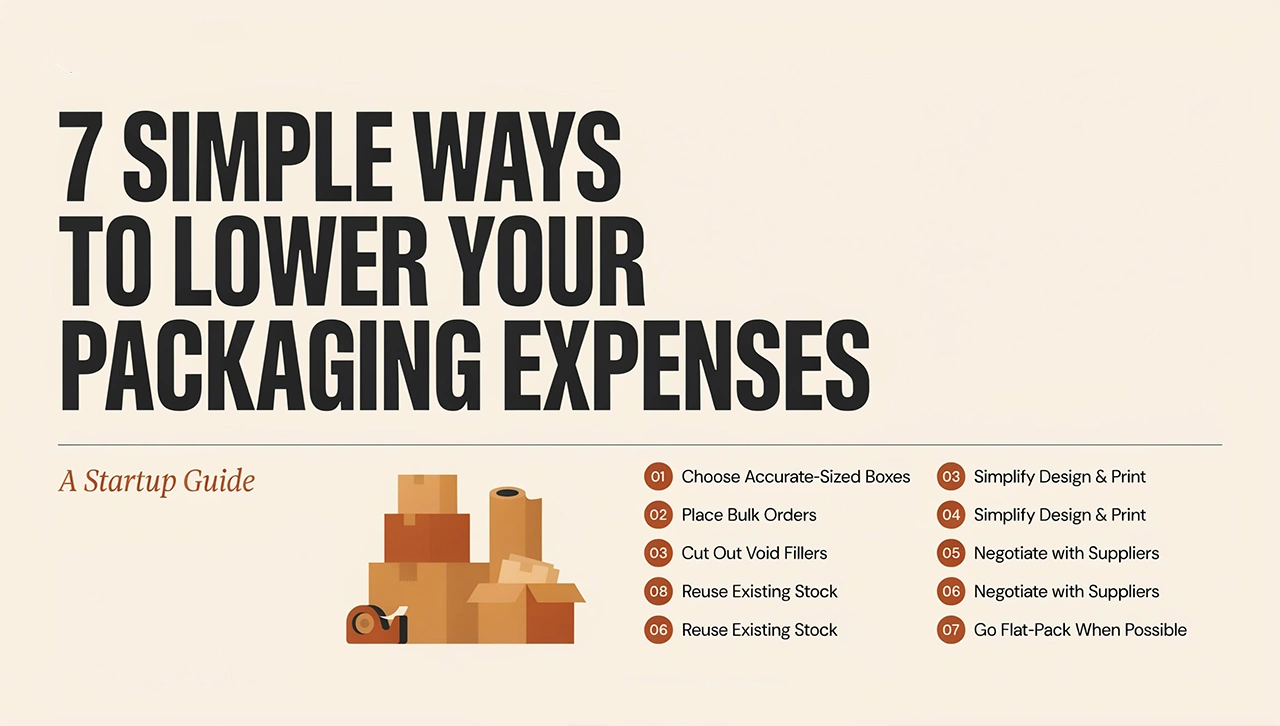
This blog uncovers 7 simple ways to reduce packaging expenses. The guide is specifically helpful for startup businesses.
-
Choose Accurate-Sized Boxes
If you order standard packaging, it will waste materials. Standard boxes are not designed with your product dimensions in mind. If you pack yours in them, leftover space costs you at many stages. First, it costs you for wasted material. Second, it costs you for delivery. Third, it costs you for additional cushioning material to prevent safety issues. So, choose custom-sized packaging that fits your products perfectly. It helps you save a lot on every batch.
-
Place Bulk Order
Buying 500 pieces in three batches costs more than a single batch. Small orders increase total expenses due to additional delivery costs. Beyond that, dedicating resources every time inventory arrives, stocking it, and managing packaging eats into the budget. The good strategy is to place bulk orders. This single shift has a dual benefit. First, it lowers the total packaging bill by preventing extra shipment charges. Second, you can likely get a deal or discount from the supplier.
-
Cut Out Void Fillers
Void fillers prevent products from mechanical damage during shipment. Businesses place them in every package for cushioning. But they do cost significantly. If you replace these fillers with custom inserts, you can ensure protection. Another main benefit is that custom inserts cost less and offer a memorable unboxing experience. Make sure the custom inserts you use truly preserve the product inside and elevate the packaging box before you roll out.
-
Choose Lightweight Materials
Most companies sell packaging either by size or weight. So if you reduce both, you can save some dollars. For example, if your packaging boxes are made of kraft paper or corrugated board, you can reduce their thickness. The thinner packaging stays lightweight and smaller. It can also be transported more easily to the destination. This is a direct strategy to reduce total order cost. Make sure you don’t reduce thickness to an alarming level to jeopardize product safety.
-
Simplify Printing
After material and shape, printing is the major cost driver. Simple printing requires less manual effort and fewer resources, and that’s why it costs less. One option is to create the packaging design yourself. It will save you many dollars. Furthermore, keep text and colors limited to make printing more economical. Don’t consider it a bad sign for your HVAC brand. It is a trend, as consumers are increasingly interested in minimalist packaging.
-
Work with One Supplier
Working with multiple vendors looks fantastic but ends up burning cash. A little design change and you consult every vendor. Some can implement it accurately, while some fail to execute. Different packaging pieces from different vendors have different styles and shapes, creating design inconsistencies. It also increases cost; different vendors use different shipment channels. You have to pay for each channel separately.
-
Order Self-Locking Packaging
Standard packaging requires tapes, glues, or pins to seal the product. It further increases the costs. First, it needs human resources for this manual work, who charge a specific amount per hour. Second, it incurs material costs. Both these factors make the final packaging cost much higher than the actual package price. Fortunately, there is a smart strategy to cut out these additional costs without compromising the quality. This is done through self-locking packaging.
These packages have wings and flaps that interlock. This is a perfect seal that protects the products inside and keeps the seal intact without risk of accidental damage.
Conclusion
Packaging costs are a burden on small businesses and startups. Especially when you choose premium packaging with add-ons, finishing, and interactive elements, costs can be too high to justify. This is where the need to bring those costs down comes in. You can do so in many ways. Some popular ones include choosing right-sized boxes, placing bulk orders, cutting out void fillers, choosing lightweight materials, simplifying printing, working with a single supplier, and choosing self-locking packages. These small shifts can help reduce your packaging costs many times.
Ready to buy affordable, premium packaging? Contact The Box Lane today.
FAQs
How does ordering custom-sized packaging reduce overall expenses?
It cuts raw material costs, eliminates filler, and reduces dimensional shipping rates.
Is it cheaper to place bulk packaging orders for a startup?
Yes, bulk orders reduce per-unit costs, supplier pricing, and freight charges.
What are cost-effective alternatives to traditional void fillers?
Custom inserts protect products better, using less material and a lower overall cost.
How can I lighten packaging without risking product safety?
Use thinner, high-strength Kraft or corrugated materials that maintain structural integrity.
Does minimalist packaging design save money on printing?
Yes, using fewer colors and simple designs lowers ink and setup fees.