


You might be using standard vacuum bags to protect your perishable goods. These bags create an oxygen-free environment and protect from degradation and spoilage. This is no doubt a good strategy for everyday storage and packaging needs. But what if you combine the excellent silver mirror shield with vacuum sealing? Yes, we are pointing towards Mylar bags and vacuum sealing. Collectively, this duo is effective in preserving your goods for months, years, and perhaps for decades.
In this blog, we will explore how you can use Mylar bags for vacuum sealing to take your packaging game to the next level.
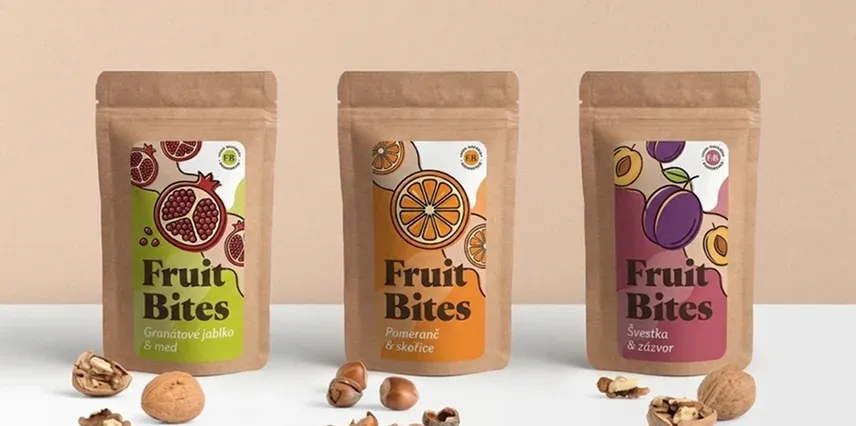
Mylar vs. Standard Vacuum Bags
At this point, you might have a question.
“My vacuum-sealed bag already works well. Why is there a need for Mylar?”
The answer is that Mylar is best used where superior protection is required for long-term storage. It allows storing a wide spectrum of items such as food, medicine, cosmetics, electronics, CBD, and more. On the other hand, standard vacuum bags are ideal only for refrigerated or frozen items where air removal is more important. Furthermore, oxygen and moisture can penetrate standard vacuum bags with time.
Here is a comprehensive comparison between these two packaging items.
|
Features |
Mylar Bags |
Standard Vacuum Bags |
|
Polymer Base |
Biaxially-oriented PET |
Nylon (PA) + Polyethylene (PE) |
|
Storage Duration |
Long Term (Up to 30+ Years) |
Short Term (1-5 years) |
|
Mode of Protection |
Airtight Barrier |
Removed Oxygen |
|
Permeability |
Impermeable |
Partially Permeable Over Time |
|
Inorganic Integration |
Aluminum Foil or Metallized Layers |
None (typically clear) |
|
Surface Morphology |
Smooth (Biaxially Stretched) |
Textured/Channeled (Embossed) |
|
Optical Density |
Opaque (100% Light Block) |
Transparent (0% UV protection) |
|
Layering Method |
Adhesive Lamination |
Multilayer Coextrusion |
|
Sealability |
High (PE inner layer) |
High (PE inner layer) |
Common Challenges with Mylar Vacuum Sealing
Mylar bags are efficient for storage when used with a vacuum sealer. But the issue is that Mylar can’t be vacuum sealed with everyday sealers and standard practices. If you try to pop the bag into a home vacuum sealer and press the button, the bag will be sealed, but it will remain full of air. This is because standard vacuum sealers need a textured surface to evacuate the air. Mylar doesn’t possess that particular shape. This is the reason many household users and even business owners are not getting the full-scale benefits from this highly effective packaging duo.

How to Vacuum Seal Mylar Bags?
Don’t panic after knowing the challenge. Your partner in packaging, The Box Lane, has found affordable and effective solutions to this problem. Here is how you can vacuum seal your Mylar pouches effectively.
Buy Textured Mylar Bags
This is the direct solution. If you want to use your own home vacuum sealer, you can opt to buy bags specifically designed for vacuum sealing. These bags have one side smooth, while the other is textured or embossed. Don’t worry, these bags offer the same level of physical and protective barrier as standard Mylar bags. Fill the food inside, put the textured side down, and vacuum seal as you normally do. The appliance will evacuate all the air, creating a perfect, airtight seal.
The Good News: You can buy vacuum-sealing-ready Mylar bags at The Box Lane at very reasonable rates.
The Straw Hack
This is a DIY method useful for storing goods at home. Fill the bag with ingredients and place a straw or a thin, sturdy tube in the bag. Make sure the straw reaches almost the bottom of the bag. Place the bag in the vacuum sealer. This straw will provide a channel for air to escape. As you notice, all the air is pulled out, remove the straw, and create the seal. When carried carefully, this method can remove nearly all the air from the bag.
Use Chamber Vacuum Sealer
This method is ideal for commercial use or where multiple bags have to be vacuum-sealed. A chamber sealer is different than a standard vacuum sealer in its mechanism. In this method, the complete pouch is placed inside a sealed chamber. The inside pressure is then matched with outside air, and the machine removes all the air from the entire chamber.
The Cons: A chamber vacuum sealer is significantly more expensive than home edge sealers.
Use Oxygen Absorbers
This is the method most widely used with Mylar bags. This is not like vacuum sealing; however, it provides a similar outcome. This method only removes oxygen from the pouch, which is the primary culprit causing degradation, spoilage, and damage to the products inside.
Oxygen absorbers are tiny packets containing iron powder. When exposed to oxygen, they rust, thereby consuming the oxygen. This is what happens inside the Mylar bag. All the oxygen is consumed by these tiny iron packets, leaving no residual oxygen to cause damage. This practice ensures your products remain preserved for decades, even without vacuum sealing.
The Best Practice: Vacuum seal the bag and use the correct-sized oxygen absorbers for extraordinary benefits.
Pro Tips for Successful Vacuum Sealing of Mylar Bags
Mylar bags are easy to vacuum seal and store. However, you should be very careful to prevent errors and accidental mistakes. Here are the pro tips from experts.
Store Dry Goods: Mylar and vacuum sealing are effective for storing dry goods only. Even a slight moisture can cause spoilage and microbial growth inside the pouch. Try storing something like grains, pasta, beans, sugar, flour, spices, and freeze-dried foods.
Don’t Overfill: Choose the bag with enough space so there are at least 4 inches left at the top once you have filled your goods. This is to prevent pressure on the bag. If you overfill, the bag may rupture, or the seal may be compromised.
Create Two Seals: When you have to store goods for longer periods, use the sealer twice. It ensures two parallel seals are created that add an extra layer of protection.
Label Correctly: Label the bag with accurate information about what’s inside. It will help you notice at a glance what was stored, when it was stored, and all the key information about the products inside.
Final Words
Both Mylar bags and standard vacuum-sealed bags are used widely for specific purposes. Mylar is good for long-term storage of a variety of items, while vacuum-sealed bags are best for only frozen or refrigerated products and for a short period. When combined, this duo can store goods for decades and ensure excellent protection from air, moisture, light, contaminants, and physical damage.
Ready to buy vacuum-sealing-ready Mylar bags? Contact us today to get a custom quote.
FAQs
Can I use a regular FoodSaver with Mylar bags?
Yes, you can, but with a slight modification of the bag. Most of the regular vacuum sealers are only compatible with the textured bags. That’s why you need to buy a textured or embossed bag to vacuum seal it with a standard sealer.
Is vacuum sealing better than using oxygen absorbers?
It depends on the needs. Vacuum sealing removes air and is better for saving space and preventing bruising of the food. Oxygen absorbers are, however, better for long-term storage of the products. If you can, use both simultaneously for superior protection and storage.
Why didn't my Mylar bag shrink like a regular vacuum bag?
It is because Mylar is thicker than the plastic. When air is removed, a plastic bag shrinks, while Mylar still looks like it is loose, even if all the air is gone outside.
Can I vacuum-seal wet food in Mylar?
No, this is not recommended. If you store moist food, there are increased chances for microbial growth that can spoil the food and cause numerous health hazards.
How do I know if the seal is strong enough?
Test the seal once it is created. Squeeze the pouch within your hands and place the seal of the bag near your ear. If you notice a “hiss” sound, the seal is compromised. This particular sound comes when air escapes from the pouch.