

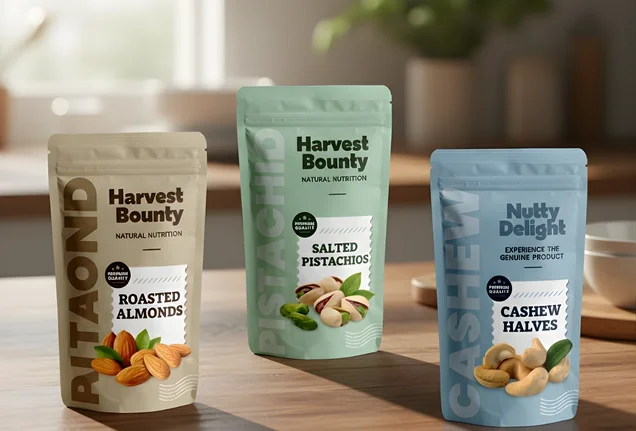
Mylar bags are one of the popular packaging options nowadays. They feature a specific protection barrier, which makes them a good choice for many industries. Just like other packaging materials, Mylar bags differ a lot in structure, features, and barrier properties. To ensure transparency in their usage for a specific industry, Mylar bags should follow certain regulatory standards. These standards are set by national and international authorities, and all manufacturing companies are bound to follow them.
This guide is all about these regulations and certifications. Let’s divide the topic into small steps.
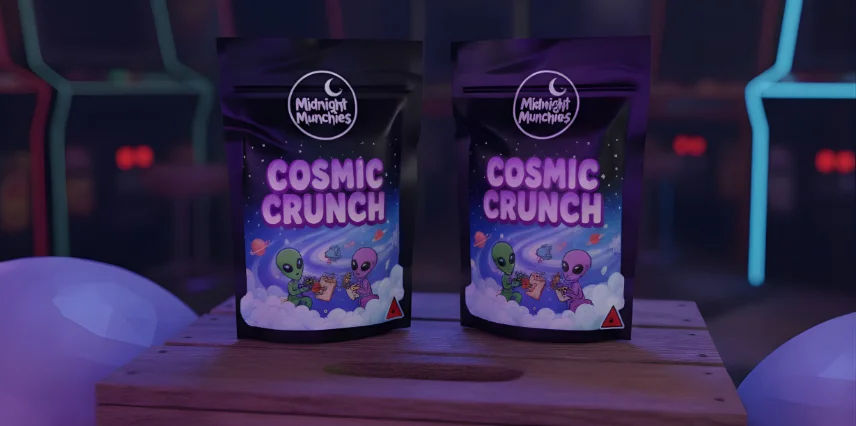
Regulations of Mylar Bags for Various Industries
Before specifically exploring the key requirements Mylar Bags should comply with, let’s first start with the basic characteristics. These are the elements that need to be modified according to the needs of an industry. And these are the core vitals that authorities check while testing a specific product of the Mylar industry.
Mil Thickness: Mil thickness is a measure of puncture resistance and durability. 1 mil equals one-thousandth of an inch (0.001). The thicker the bag, the better it protects the ingredients.
OTR: It stands for Oxygen Transmission Rate. It is the measure of how effectively the bag prevents Oxygen from passing through it.
MVTR: It stands for Moisture Vapor Transmission Rate. It is the measure of how effectively the bag material stops water vapors from passing through it.
Surface Resistivity: It is the measure of a bag’s ability to resist the flow of electric current along its surface. This characteristic is most important for bags that store electronic products.
Opacity %: It is all about the degree to which the bag blocks light and UV radiation. The higher the opacity, the lower the chances for light passage.
Regulations for the Food Industry
In the United States, the Food and Drug Administration (FDA) and the U.S. Department of Agriculture (USDA) set the standards for Mylar bags. As edibles are in direct contact with the material of the bag, the bag must be suitable for the stored food. These rules ensure that no harmful agents come in direct contact with the food products inside.
FDA Standards for Food Products
Here are the standards set by the Food and Drug Administration;
CFR Title 21, Part 177.1630: It governs the use of polyethylene terephthalate (PET) and similar materials that come in contact with food products. It ensures that such packaging materials are safe, non-toxic, and suitable for the ingredients.
CFR Title 21, Part 178: It targets the multilayer bags. It ensures that all the coatings and adhesives used do not affect the quality of food.
Good Manufacturing Practices (GMP): It mandates that the packaging for food products must be manufactured under controlled conditions to prevent contamination or hazards.
USDA Standards for Food Products
Mylar bags must also comply with the regulations of the USDA. Especially, it deals with poultry, meat, and similar products. Here are the requirements for USDA-certified Mylar bags;
- It must be made of safe materials that won’t transfer contaminants.
- It must be resistant to moisture, gases, and biological hazards.
- It must comply with sanitation and good manufacturing practices.
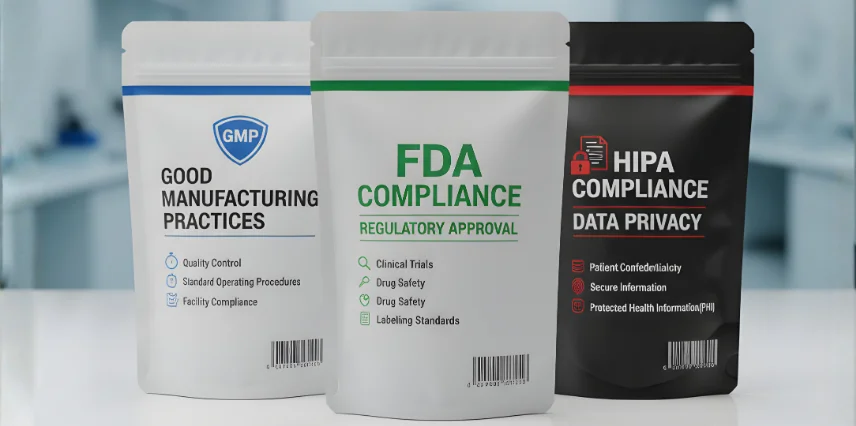
Regulations for the Pharmaceutical Industry
Mylar bags are also one of the top choices for pharmaceutical packaging. The requirements for this industry are much more stringent, as even a minor negligence can have adverse effects on patient health. Primarily, the ISO deals with all the rules and regulations for this specific industry.
ISO Standards for Medicine and Pharmaceuticals
Here are the primary standards by ISO that influence the packaging for medical products;
ISO 9001: It is about quality management and ensures the packaging is of good quality.
ISO 14001: It is about sustainability and ensures the packaging is eco-friendly.
ISO 11607: It ensures sterile packaging for medical and surgical devices.
Good Manufacturing Practices for the Medical Industry
The good manufacturing practices for the medical industry ensure that all the packaging is manufactured with quality and sterility standards. The company should comply with hygiene and quality-control standards to ensure every batch of products meets the criteria for safe and secure packaging.
Regulations for Supplements and Health Products
There are also many standards for nutraceuticals and health products. However, these requirements are not that tightly regulated. Here are the requirements that need to be complied with;
- Packaging must not alter the stored content.
- It must preserve the ingredients from degradation and spoilage.
- It must prevent exposure to light, oxygen, and moisture.
Child Resistant Packaging Regulations
Apart from the materials and structure, there are some additional requirements for certain industries. Child-resistance is one of those. Here are some rules and regulations set by authorities for child resistance features;
Poison Prevention Packaging Act (PPPA): It mandates the use of child-resistant packaging for products such as medicines and hazardous substances.
ASTM International Standards: It is all about the design and testing for child-resistant flexible packaging.
ISO 8317: It is about the European and global child-resistant standards for reclosable packaging.
Regulations for Labeling and Documentation
Apart from the characteristics and properties of pouches, they should be labeled clearly. Accurate labeling ensures transparency between the company, supplier, and the buyers. The customers are sure what they are purchasing and what the bag will provide for the stored content.
Every Mylar bag must showcase the following labels clearly;
- Product identity
- Material composition
- Mil Thickness
- Dimensions of the bag
- Certification and compliance
- Child-resistance disclosure
- Manufacturing and expiry date
- Manufacturer information
- Storage temperature
This kind of information will help users preserve their ingredients in the best way.
Regulatory Compliance Checklist for Mylar Bags
Before choosing a supplier, brands should confirm whether it complies with the regulations or not. It is necessary because when you choose a certified and licensed company, your customers get the real benefits from your products.
To make the decision easier, here is a comprehensive checklist. Check for the following before saying “Ok” to a supplier;
- FDA-compliant materials for manufacturing
- Documentation for material safety and compliance
- Application of Good Manufacturing Practices
- A clean and controlled production environment
- Certified with ISO 9001 or an equivalent authority
- Strong and preventive barrier properties
- Seal strength and durability
Following the above checklist can help you choose a reliable manufacturer for your brand.
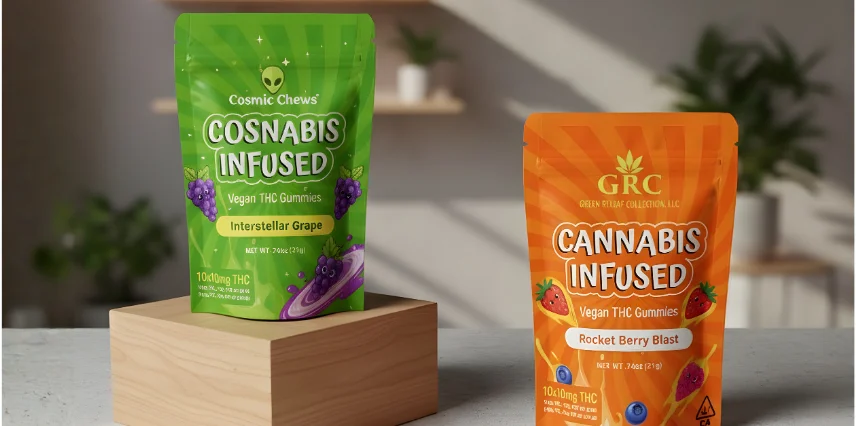
Conclusion
Mylar bags are a good packaging choice for various industries. But the requirements of each industry differ, and that’s why there is a need for regulatory compliance. Before choosing a specific supplier, make sure the company follows the rules and regulations required for your products. Verify the details mentioned in the above checklist to ensure you choose the right company.
If you are looking for fully certified, FDA-compliant Mylar packaging, you must consider The Box Lane at this moment. We are a leading packaging company, providing quality Mylar bags to brands across various industries. Our pouches are tested in our internal laboratory and also tested & approved by regulatory authorities. Plus, we are as affordable as you want.
Contact us today to place an order or discuss your needs.
FAQs
Are Mylar bags legal for food packaging?
Yes, Mylar bags are legal to be used for food materials. But such bags must comply with the FDA regulations.
Do Pharmaceutical Mylar bags need ISO certification?
Yes, the packaging for the pharmaceutical industry must comply with ISO. It ensures the medical products remain safe and sterile.
Do Mylar bags include child-resistance features?
Not all the Mylar bags are child-resistant. However, they can be manufactured with child-resistant features for specific sensitive and medical products.
What makes Mylar bags child-resistant?
Child-resistance is due to a specific opening and locking mechanism. This mechanism ensures that only adults can understand the lock pattern and open the bag when required.
Is Mylar good for long-term storage?
Yes, Mylar is a good choice for long-term storage. It works when the bag is of good thickness and possesses the relevant protection characteristics.