

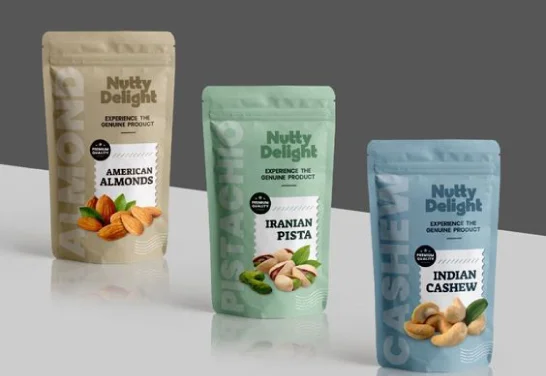
Mylar bags are the most affordable and reliable option for long-term storage of food, medicines, cosmetics, CBD, and many other products. When combined with oxygen absorbers, they maintain the freshness of stored content for years. This guide will walk you through the step-by-step process of using Mylar bags, factors affecting the shelf life, common misconceptions, and troubleshooting the common issues for storage.
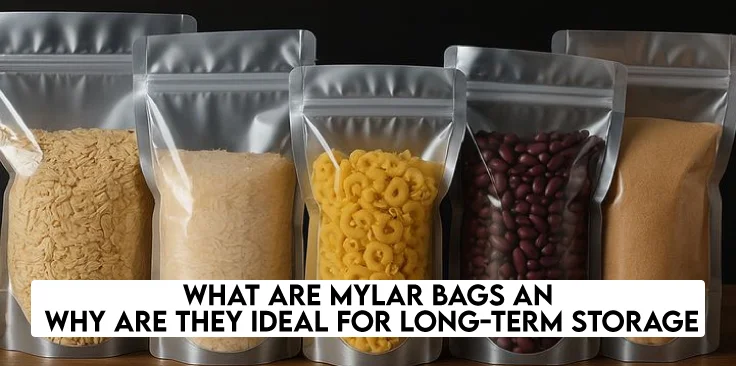
What Are Mylar Bags and Why Are They Ideal for Long-Term Storage
Mylar bags are composed of polyester layers laminated with aluminium foil. This layered structure provides them with extraordinary barrier properties, blocking water vapour, gases, and light. When sealed correctly and placed in a dry location, they ensure the preservation of stored content for years.
Note: Check the compliance of bags with the stored content and the regulations set by the relevant authority for safe packaging.
Essential Supplies You’ll Need Before You Start
Make sure you have access to all these accessories before you store goods in Mylar bags.
Mylar Pouches: To store the commodities.
Oxygen Absorbers: To remove residual oxygen.
Heat/Vacuum Sealer: To seal the pouches perfectly.
Permanent Marker: To label the pouches.
Additional Covering: To prevent the bags from punctures.
Step-by-Step Process of Using Mylar Bags
These are common steps required for every storage. Based on the content you need to preserve and the packaging type you choose, some additional steps may be required.
Prepare Your Goods
Assemble your goods in a dry, cool place. Make sure you have the right equipment to put your supplies in the bag without any disturbance. Also, prepare your space, assemble all the accessories within easy access, and ensure you are away from rodents, pets, and all the distracting factors.
Fill the Bag with Supplies
Fill the bag with the ingredients up to the level recommended by the manufacturer. Don’t stuff the content as it may lead to punctures. Make sure to store the completely dry items ( with moisture less than 10%) and oil-free content. Freeze drying is often recommended in some cases to improve longevity.
Add Oxygen Absorbers
Use accurately sized oxygen absorbers to remove any residual oxygen and prevent its future effects. Generally, a 1-gallon bag requires a 300 cc to 500 cc absorber, while a 5-gallon bag requires 1500 cc to 2000 cc for effective storage. Add the oxygen absorbers right before sealing the bag for maximum benefits.
Seal the Bag Properly
Seal the bag using a vacuum sealer or heat sealer. For short-term or household storage, you may use appliances like a hair straightener or a clothing iron for sealing purposes. Applying a double seal is generally recommended for extra safety. Check manually by gently squeezing the bag so there is no air leakage.
Label the Bag Accurately
Label the bag with a permanent writing utensil so there is no risk of fading, and you can clearly read the details of stored content. You can write the basic details like type of supplies, weight, date of storage, expiry date, etc, for correct labelling. Use of water-resistant ink and moisture-resistant labels is ideal to prevent moisture issues.
Add Double Protection
Use a bucket or bin with a secure lid for additional protection of the pouches from physical damage, puncture resistance, and safety from rodents. Make sure the buckets or steel containers that you use don’t have any sharp edges, as they may lead to accidental punctures or wear to the flexible pouches.
Store in a Dark, Dry Place
Store the filled pouches in a cool, dark, and dry space, as it prevents any accidental exposure to three primary damaging elements that are oxygen, light, and moisture. Make sure there is a minimum chance of rodent or pest entry in that area, and also, there is no chance of other physical damage to the stored content.
Average Shelf Life of Common Products Stored in Mylar Bags
Various types of ingredients have varying shelf lives when stored in a Mylar bag. The individual experiences may vary greatly, but here is the average shelf life of common household products when stored in Mylar packaging.
|
Stored Content |
Average Shelf Life |
|
Dried Beans & Lentils |
20–30 years |
|
White Long-Grain Rice |
20-30 years |
|
Whole Wheat or Hard Grains |
20–25 years |
|
Dried Pasta & Noodles |
15–25 years |
|
Rolled or Steel-Cut Oats |
20–25 years |
|
Dehydrated Vegetables |
8–15 years |
|
Powdered Milk (Nonfat) |
10–15 years |
|
Brown or Whole-Grain Rice |
5–8 years |
|
Nuts, Seeds & Trail Mixes |
1–3 years |
|
Salt, Sugar & Baking Crystals |
Indefinite (if kept dry) |
Note: In this table, only food items are included along with their observed shelf life across various regions. For sensitive products like medicines, chemicals, or electronics, it is better to follow the manufacturer’s guidelines.
Factors That Affect Shelf Life in Mylar Bags
There are numerous factors that directly or indirectly affect the shelf life of ingredients stored in Mylar packaging. Some of them are given below:
Storage Conditions: Exposure to direct sunlight, humidity, and extreme temperatures can accelerate the degradation process and thereby reduce the shelf life of stored elements.
Seal Quality: If the seal is not intact or of compromised quality, there are increased chances of exposure to gases. It promotes spoilage and reduces shelf life.
Oxygen Absorbers: If the correct size or number of oxygen absorbers are not placed, rancidity and bacterial growth may start, which shortens the shelf life of ingredients.
Common Misconceptions About the Mylar Bag Usage
There are multiple misconceptions about the Mylar bags that prevent customers from getting the best advantage from them. Here are some of them:
Sealed Mylar Bags Look Vacuum Packed: This is not true. Oxygen absorbers used in Mylar bags only remove oxygen from them, while other gases might be present. Therefore, it is not correct that sealed Mylar pouches will look sucked in.
Thick Mylar Bags Offer Better Protection: This is not always true. The thickness has nothing to do with the protection. The thicker bag looks sturdy and might protect from physical damage, but actual protection is due to the aluminium layer, which is the same in all pouches.
Mylar Bags are Fragile: This is a false statement. Mylar bags are flexible but not fragile. They can easily be moved from one place to another while the stored items remain intact, protected from all environmental factors.
Mylar Bags Release Aluminium: This is absolutely false. The aluminium layer is between two other layers, and there is a 0% chance that the aluminium will be in direct contact with the stored elements.
Oxygen Absorbers are Reusable: This is a false assumption. Oxygen absorbers quickly activate as their packaging is opened. You must use a new oxygen absorber every time you store supplies in the Mylar bags.
Final Words
Mylar bags are an effective yet affordable solution for long-term storage of products. For easy, effective, and safe storage, follow the steps mentioned above in this guide. Check the expected shelf life of your products and store them accordingly. Store the Mylar bags in a cool, dry, and dark place where there is a minimum chance of accidental exposure to damaging factors.
Take one step closer to long-term storage of your products – use Mylar bags from today. Not sure where to purchase these storage pouches? Visit The Box Lane today or contact us at 484-224-2666.
FAQs
What are oxygen absorbers?
Oxygen absorbers are small packets used in Mylar bags to extend the shelf life of stored material. They eliminate the oxygen from the bag and retard the growth of aerobic microorganisms, ultimately preventing spoilage and degradation.
Can I store my edibles in Mylar bags?
Yes, you can store your edibles in these bags because they are composed of food-grade materials. Furthermore, most of the Mylar pouches nowadays are certified by the FDA with no risk of food contamination.
How long can products last in Mylar bags?
There are various shelf lives for multiple products. For a comprehensive overview, please look at the table given above. For a detailed guide and specific products, contact the manufacturing company.
Do Mylar bags protect from UV rays?
Yes, Mylar bags ensure protection from harmful UV rays. Their multi-layered construction, opaqueness, and reflective metallic properties gave them a strong protective barrier.
Are Mylar bags reusable?
Yes, Mylar bags are reusable. Open them carefully to prevent punctures and wear. To reuse them, clean the bag thoroughly, fill it with the ingredients, and then seal it with a suitable appliance.