


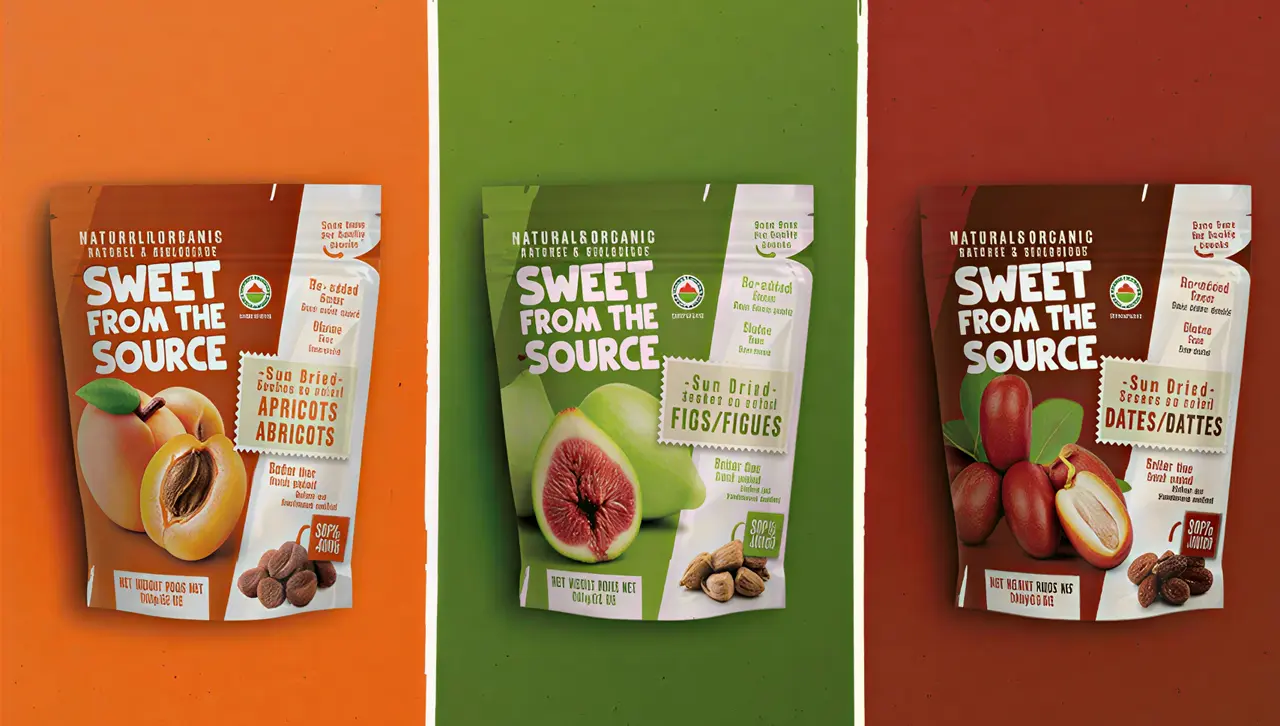
At The Box Lane, we frequently encounter one common question!
Is Mylar recyclable? If yes, where can I recycle it?
The answer is not that simple. Mylar is composed of multiple layers of different materials. It includes plastic, metal, and polyester. At one end, this complex structure helps in preserving items for decades. At the other end, it poses a problem in recycling the material. However, there are many recyclable and eco-friendly options available on the market today. Let’s dive deep into this debate and discover the truth.
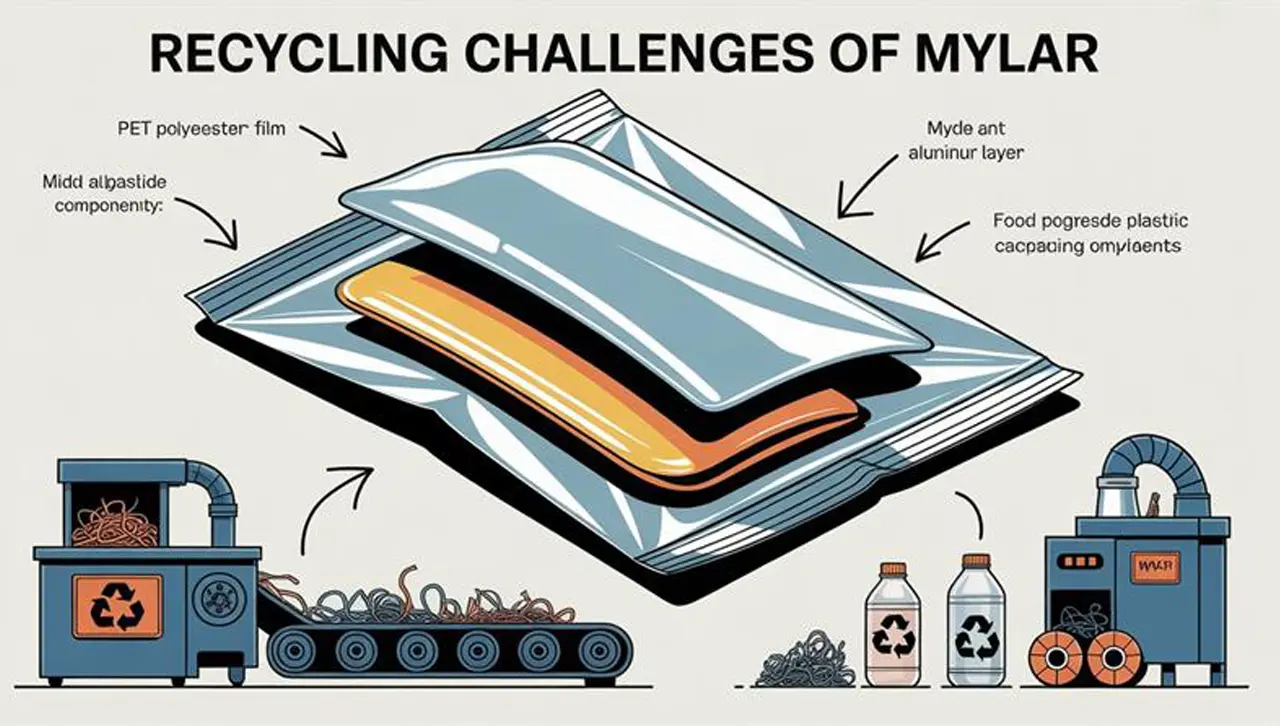
Recycling Challenges of Mylar
Mylar poses a variety of challenges for recycling. These may be due to the unique structure, material composition, layers, and symmetry.
Layered Structure
When you look at a shiny Mylar pouch, you see a thin, flexible packaging. What you don’t see is its complex structures inside. Mylar has three primary layers. The outer layer is composed of polyethylene terephthalate (PET or BoPET) polyester film. The middle layer is aluminum, which is a metal. The innermost layer is often composed of food-grade materials such as plastic. These three layers have distinct properties and requirements for recycling. Most of the recycling centers operating across the globe only accept products that are composed of a single type of material. Mylar doesn’t fit this criterion, and that’s why it gets rejected at most recycling facilities.
Technological Limitations
Recycling Mylar needs machinery that can sort metal from the plastic and polyester. These kinds of machines need advanced technological methods. The key is to proceed with multiple sorting processes simultaneously. For example, it will demand a machine that, at a time, processes the raw Mylar with thermal depolymerization, solvent-based extraction, and physical separation methods. This kind of machinery might, however, be possible in the future, but so far it is not available in the market.
Risk of Machinery Damage
If tried for sorting in ordinary machinery, Mylar poses a significant risk of damage. Mylar is highly flexible and contains multiple ingredients. When sorted, these ingredients tangle around the machinery and jam up the belts, motors, and other components. It may result in a severe mechanical breakdown or a complete failure of the machinery. The safety of workers is also at stake when trying to recycle Mylar in a routine recycling facility.
Compositional Variations
Mylar doesn’t have a single structural standard like plastic or rigid boxes. It accompanies a lot of compositional variations depending on the needs of the industry. This is a good thing from a product storage point of view, that suppliers have multiple options. But from the recycling perspective, it is a nightmare. Mylar may contain kraft paper, polyethylene, and laminated combinations according to the needs of various industries. This lack of universality makes Mylar a bad choice for recycling facilities, as different kinds of Mylar pieces might contain different structural materials.
Non-Biodegradable Nature
Mylar is non-biodegradable in nature. It means it can persist in the ecosystem for centuries without being degraded. This makes most of the customers and suppliers bounce back. Especially those who truly care for nature take this factor seriously. Being not easy to recycle and non-biodegradable puts serious question marks on the eco-friendliness and sustainability of Mylar bags.
Recycling Solutions for Mylar Bags
While most of the recycling centers don’t accept Mylar, there is still some hope. Some specialized facilities have done excellent work in previous years in recycling these shiny pouches. One of the popular names in this regard is TerraCycle. It accepts Mylar for recycling and has successfully recycled millions of pounds of Mylar, like flexible packaging, so far.
These types of programs receive thousands of pouches on a daily basis. There is high saturation, and there are still reduced chances that they will recycle every bag. Furthermore, the shipment and operational costs are very high for such a type of complex packaging material. We recommend contacting the facility team to confirm whether they have the capacity to recycle your bags and whether they accept the ones you have. Proceed to the next step only after you are sure it will work.
Eco-Friendly Alternatives to Mylar Bags
This solution is the best choice for those who are extremely concerned about the planet. Fortunately, many manufacturing companies have now started producing eco-friendly alternatives to Mylar. They are not identical to Mylar in structure. However, they provide a similar level of preservation benefits that Mylar offers. These Mylar-like, eco-friendly packaging options are easy to recycle. Even some are biodegradable, so there is no need to worry. This is the stage where customer benefits meet eco-friendly packaging, and that’s why these options are becoming popular at an exponential rate.
Here are some of those options presented:
Compostable Bags: These are composed of materials such as cellulose or starch-based films. They offer a similar level of protection as Mylar does, but they are easy to break down in a commercial or a home compost.
PE/PE or PP/PP Mono-Material Bags: They are composed of polyethylene or polypropylene. They are efficient for storing dry goods and are compatible with recycling streams.
Kraft Paper Pouches: These are the recyclable and biodegradable pouches. They have a higher strength for storing dry goods, fruits, and food products.
Final Words
Recyclability and eco-friendliness of Mylar bags are serious questions despite their widespread usage across the globe. These bags have a very complex structure composed of multiple materials, and that’s why they are not compatible with standard recycling practices. However, there are many eco-friendly alternatives to Mylar in the market that provide protection and are easy to recycle. This innovation is becoming popular with more and more suppliers shifting towards it. As our last words, we would say that Mylar is not itself easily recyclable, but it can be made recyclable with modifications.
FAQs
Can I put Mylar bags in my curbside recycling bin?
No, it is not a good practice. Standard recycling facilities can’t sort plastic fused with metal in Mylar bags. It poses a problem in the regular recycling stream.
Are there any specialized recycling options?
Yes, there are some programs in action for recycling multi-layered packaging. TerraCycle is the prominent name in this regard. It accepts and recycles flexible packaging, including Mylar.
Can Mylar bags go in grocery store drop-off bins?
No, the bins at the grocery store are for plastic items. Mylar possesses both plastic and metal in a layered structure and is very difficult to recycle. Putting Mylar in grocery store bins disrupts the normal recycling process, as they have to be separated from the rest of the items before proceeding towards recycling.
Are Mylar bags biodegradable?
No, standard Mylar is not biodegradable. It is composed of synthetic polymers and embedded metal that persists in the landfills for centuries.
Can I reuse Mylar bags to be more sustainable?
Yes, and this is what homeowners should do. You can use the bag until it is not punctured and structurally stable. Just fill the bags with your products, create a seal, and store them. Your products are stored again, no matter if the bag was used previously.